烏蛟騰 Au King Tin (or Wu Kau Tang)
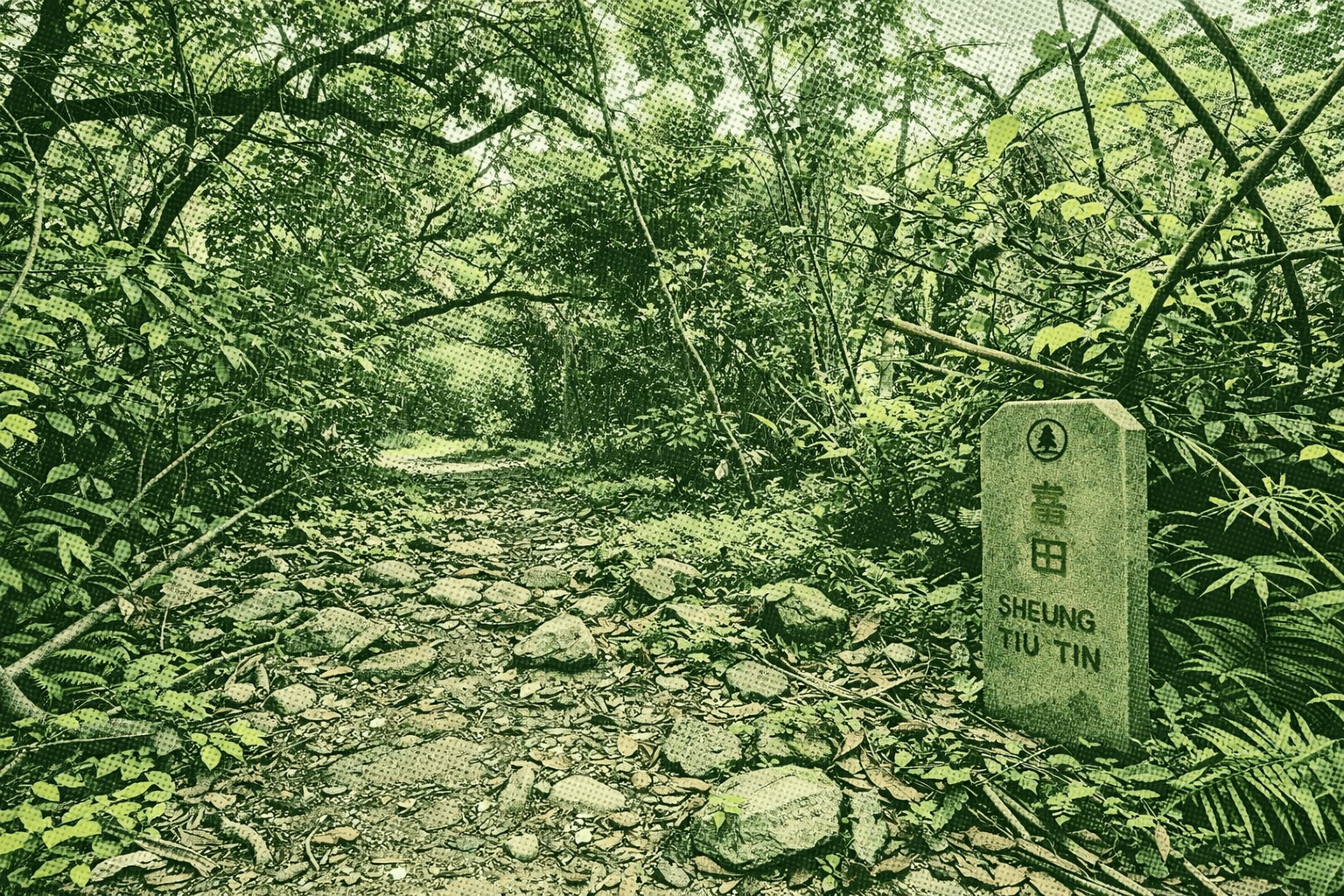
Lai Chi Wo, on Plover Cove Country Park’s northeastern shore, boasts a beautifully preserved Hakka walled village over 400 years old. This scenic spot blends geological marvels, rich biodiversity, ancient villages, and vibrant Hakka culture. Starting from Wu Kau Tang, clear forest streams attract summer dragonflies. At Sam A Chung coast, the pink Yan Chau Tong Marine Park bay glows from iron-rich sandstone oxidized under ancient high heat. Lai Chi Wo delights with coastal views, Hakka traditions, local cuisine, and unique old trees: hollow Autumn Maple, Hong Kong’s largest primeval Heritiera grove, fig-wrapped Autumn Maple, and the sadly maimed Five-fingered Camphor Tree.
 Download GPX
Find this route and more in the WayMe app.
Scan with your phone to download WayMe.


Forecast near the start point
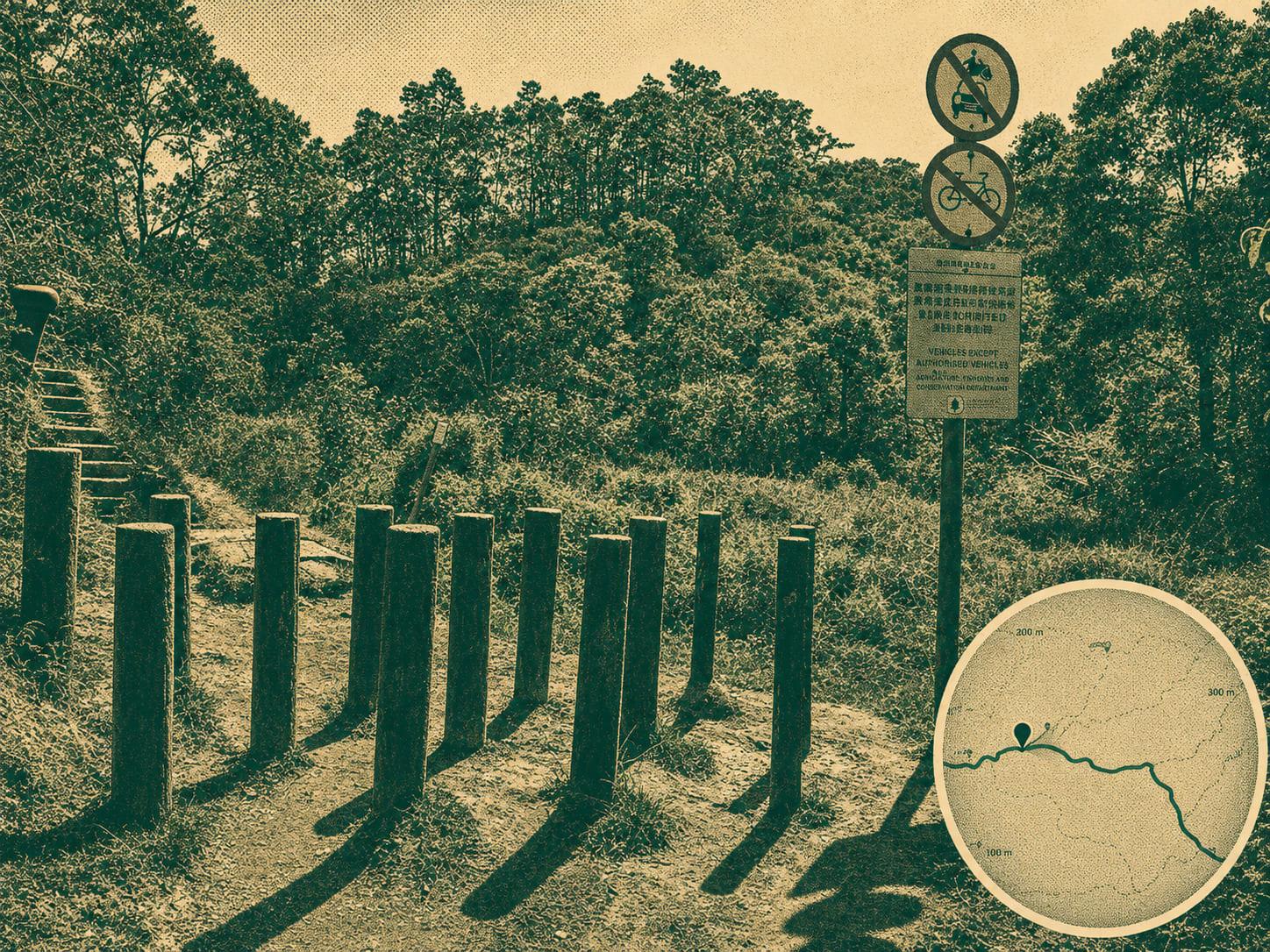
Miu Sam Ancient Trail runs Wu Kau Tang to Sam A Tsuen, ~5 km. Red‑stone formations, stream gullies, abandoned Hakka terraces and village ruins; scenic geology and coastal views. Allow 2–3 hours.
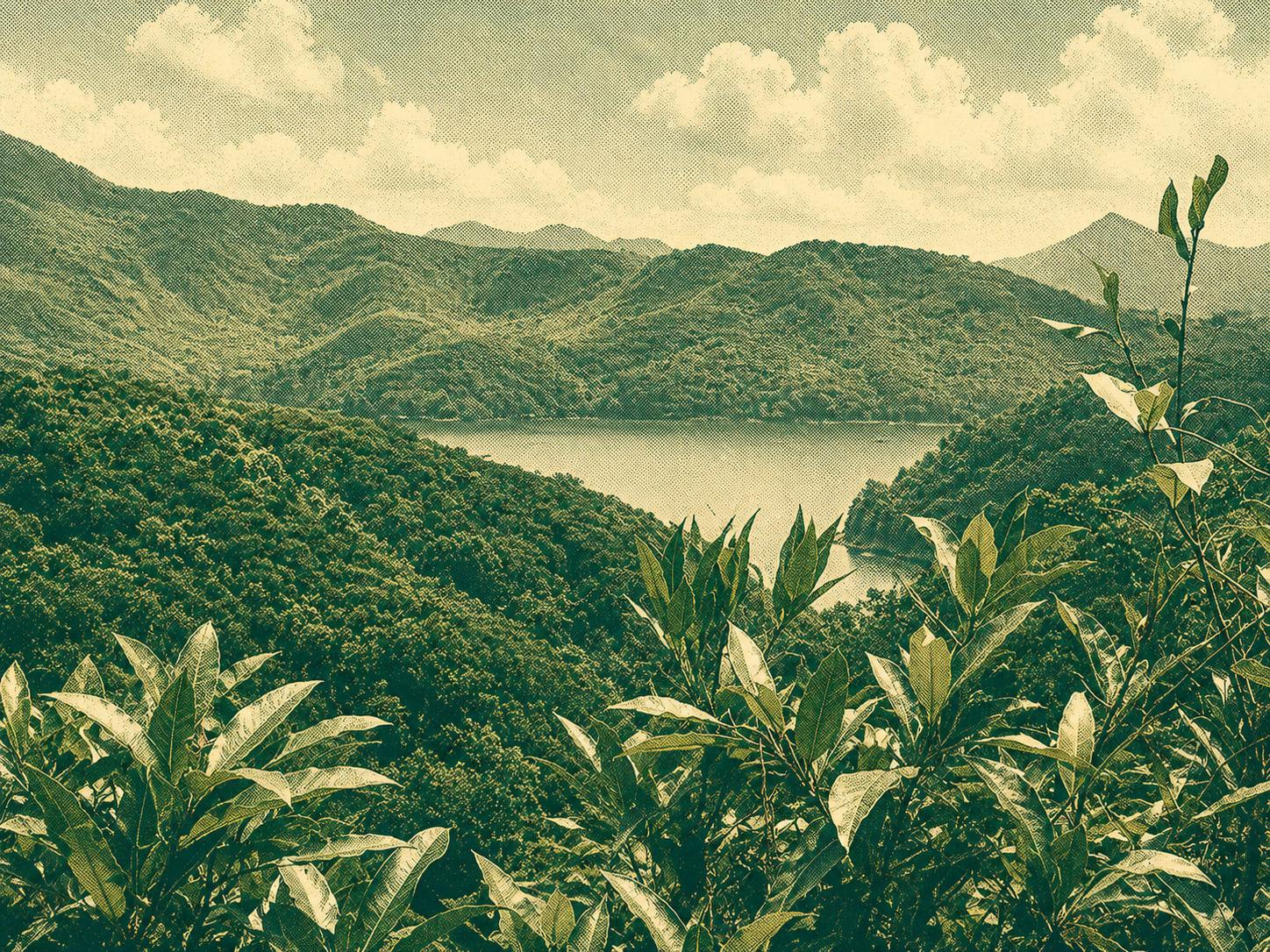
Visit the villages of Wu Kau Teng in the northeastern New Territories, admire the Hanging Lantern Mountain, descend the Plowstone Ancient Trail, and savor the scenery of Sam Ya Wan and Sam Ya Chung. In Sam Ya Village, sample Hakka snacks, admire the spring at Miao Sam Shek Stream, and then tread the ancient Miao Sam Shek Stone Trail before returning to Wu Kau Teng. The entire route is mostly a stone-paved ancient path, with the return journey being a slightly uphill climb.
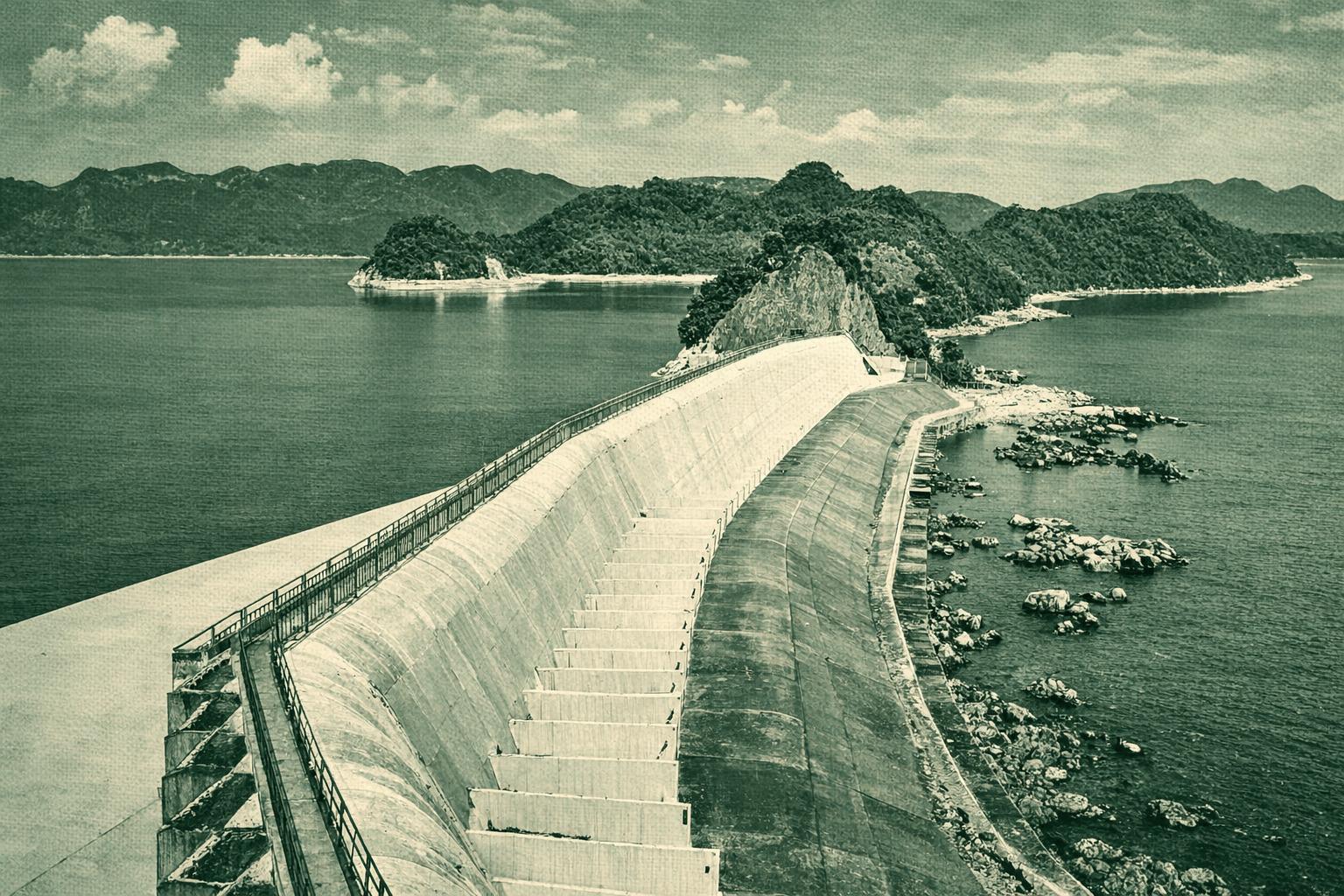
Finished in 1968, Plover Cove Reservoir ranks as Hong Kong's second-largest by area—the world's first "ocean reservoir," created by damming a sea inlet, pumping out saltwater, and refilling with freshwater. This demanding ridge trail, with its steep slopes and sparse facilities, winds past peaks like Ma Tau Fung and Tai Tung, offering sweeping views of lush Plover Cove Country Park, Sam A Wan estuary, the vast reservoir, and Tolo Channel, before reaching the impressive main and auxiliary dams. Along the route, floating solar panels often host egrets and herons, creating popular photo stops.

 Open in Google Maps