荔枝窩 Lai Chi Wo
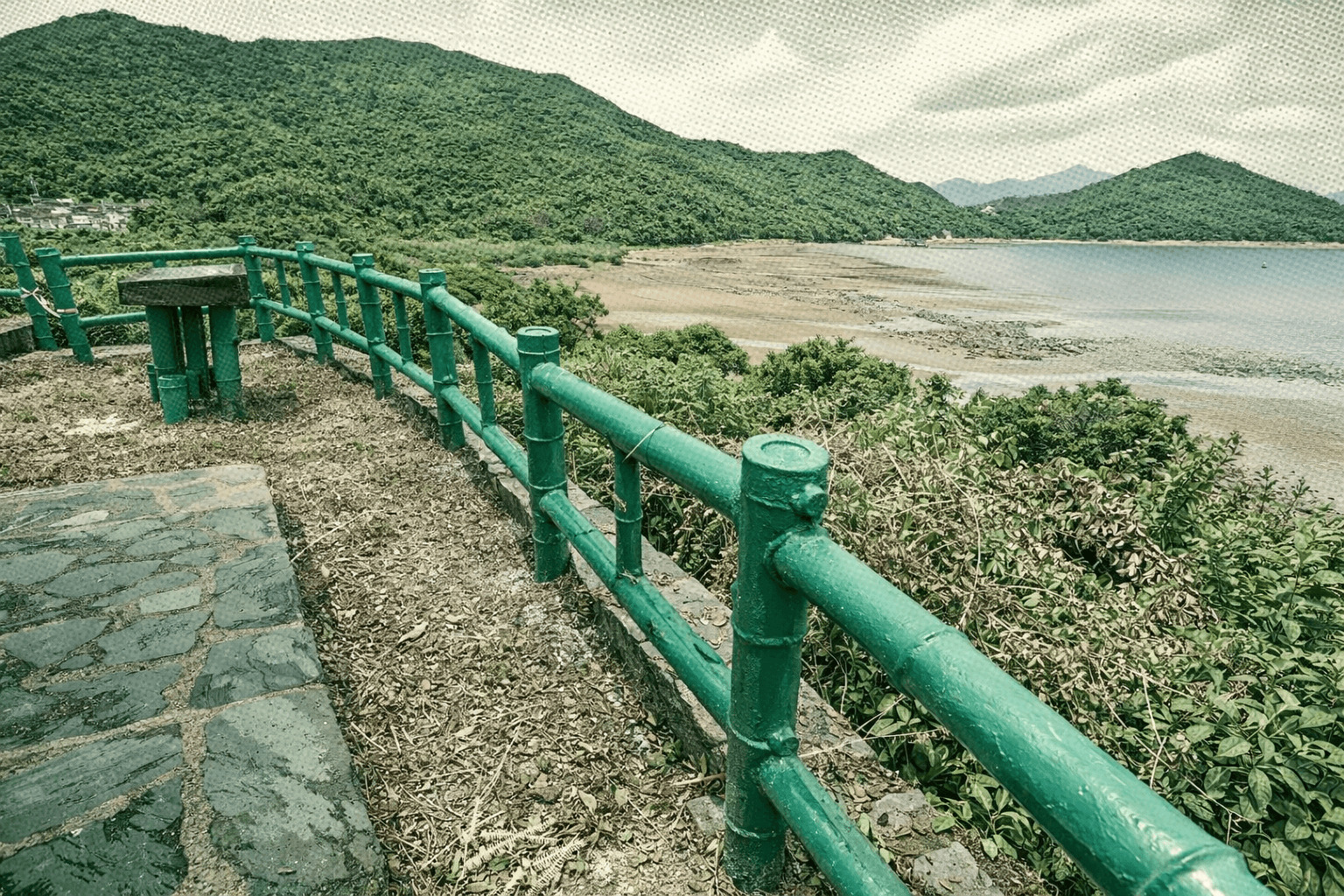
Lai Chi Wo Nature Trail in Double Haven winds through a historic Hakka village, once Northeast New Territories’ largest with 211 houses in traditional nine-horizontal-three-vertical layout. Fung Shui Woods host over 100 tree and butterfly species. Revived by eco-tourism, the trail showcases unique trees like Five-fingered Camphor, mangroves, mudskippers, and Hong Kong’s largest Dwarf Eel Grass seagrass bed.
 Download GPX
Find this route and more in the WayMe app.
Scan with your phone to download WayMe.


Forecast near the start point
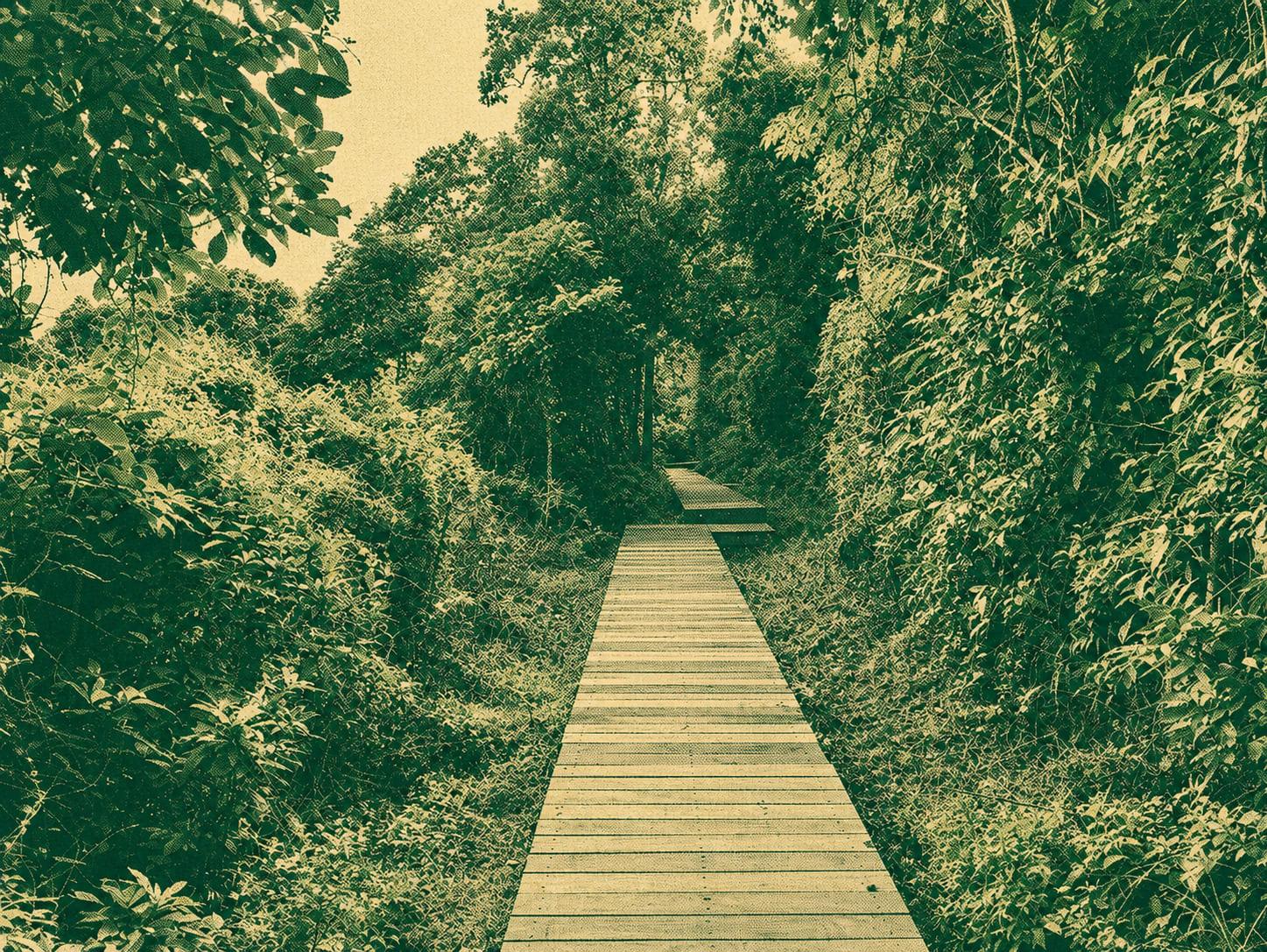
Lai Kuk Ancient Trail runs from Kuk Po (near Luk Keng) to Lai Chi Wo, about 7–8 km. Stone‑paved valley path passes Kai Choi School, old wells, Hakka village walls, temples and reed beds with coastal views—rich in heritage and quiet scenery.
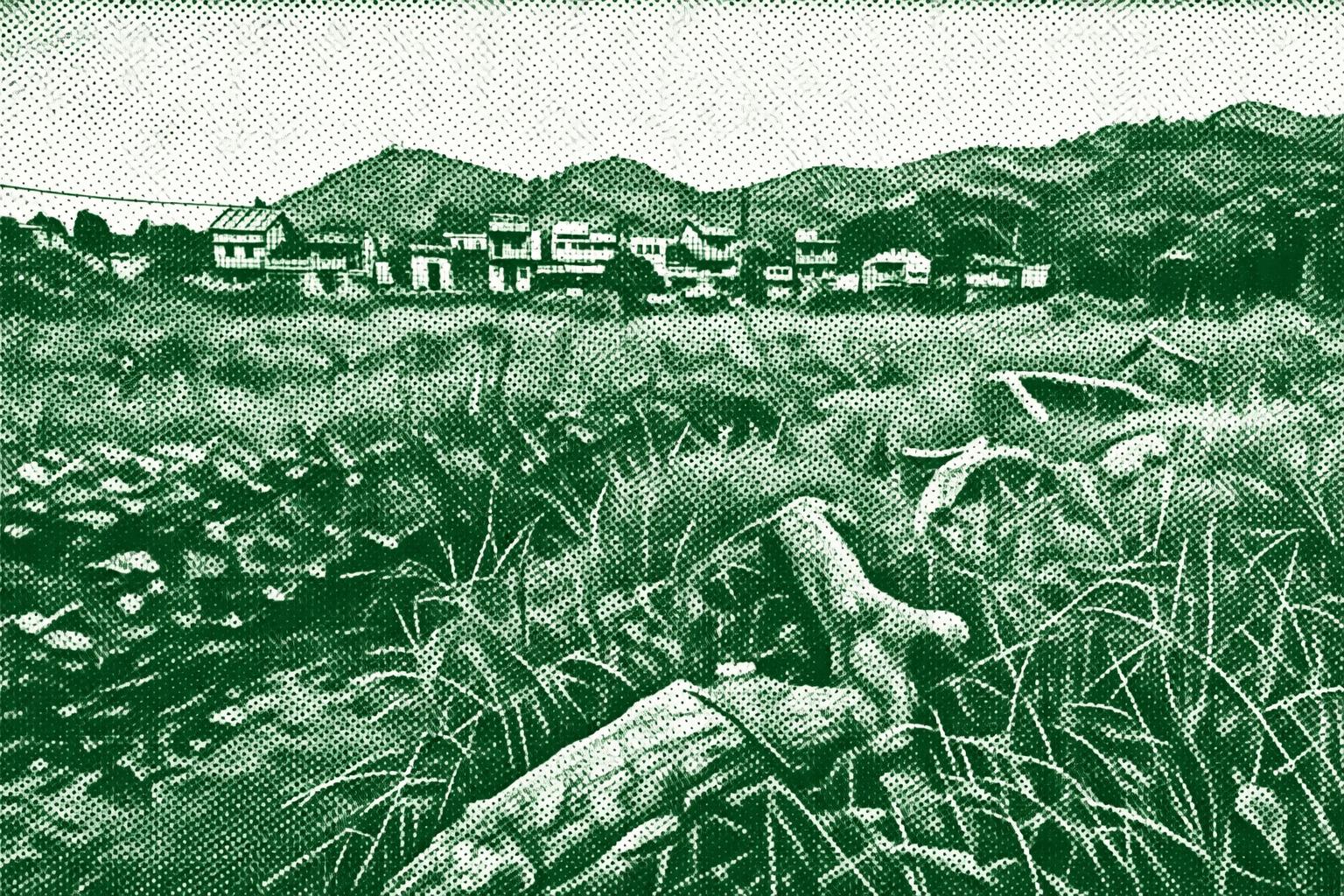
In Chinese culture, Feng Shui and numerology hold sway. Wu Kau Tang, once "Wu Kwai Tin" (Tortoise Field), was renamed to evoke auspicious dragon-phoenix vibes, dodging tortoise stigma—stone tablets still echo the old name. The trail boasts a hill fire lookout overlooking Sha Tau Kok Hoi's egretry, mangroves, ponds, fields, and northeast Plover Cove mountains. Plus, Castanopsis trees line steps; villagers once milled their fruits for congee during famines, showcasing resourceful survival.
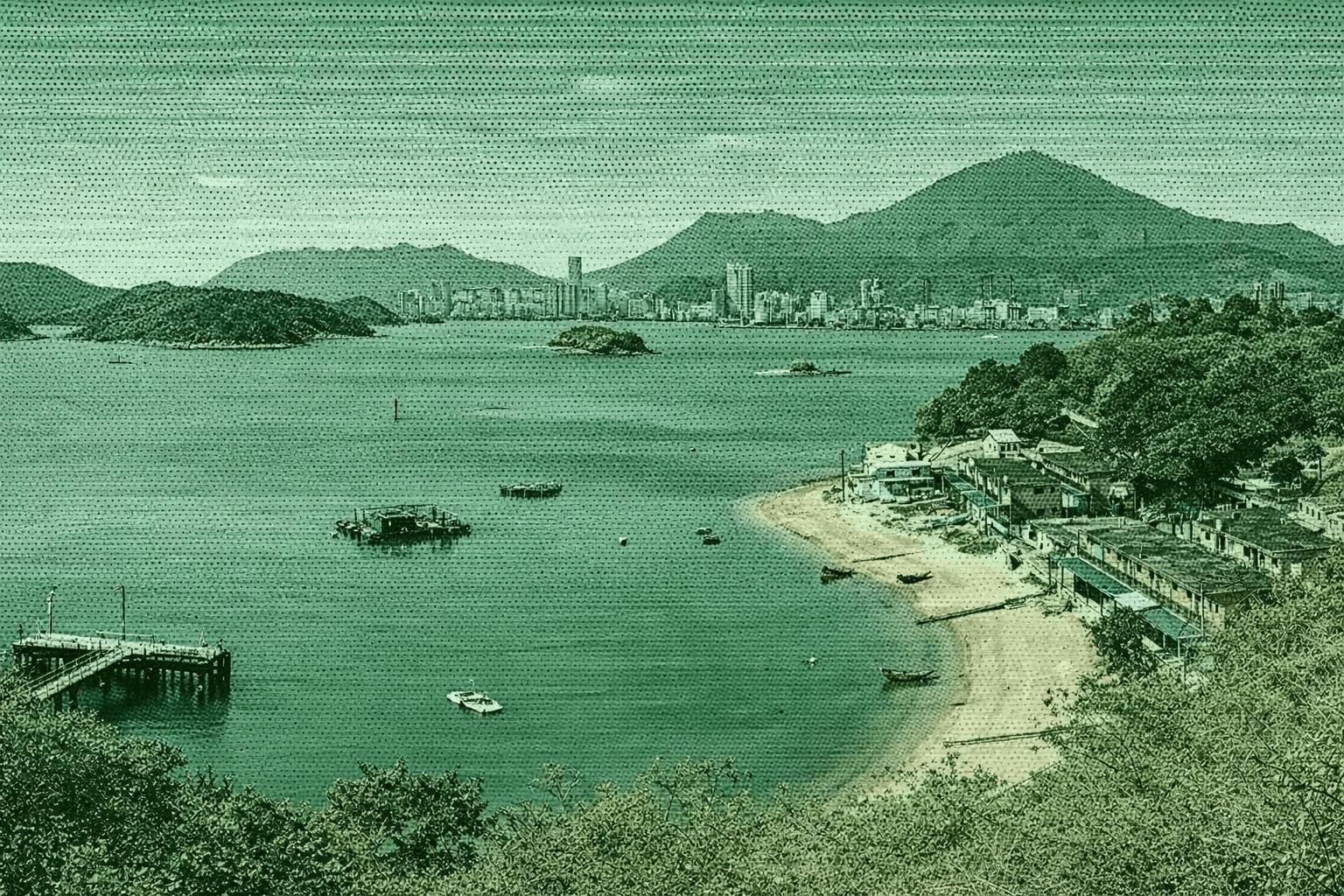
Located east of Sha Tau Kok, Ap Chau ("Duck Island") resembles a duck floating on water. This small island, made of rare red breccia in Hong Kong, features notable geological sites like wave-eroded Duck’s Eye and fault-formed Duck’s Neck. In the 1930s, it served as an anchorage for fishermen, evolving into a village with huts, church, and schools, peaking at 1,000 residents. Now mostly depopulated, its 2018-converted school became Ap Chau Story Room, preserving island history and culture.

 Open in Google Maps