Padrón
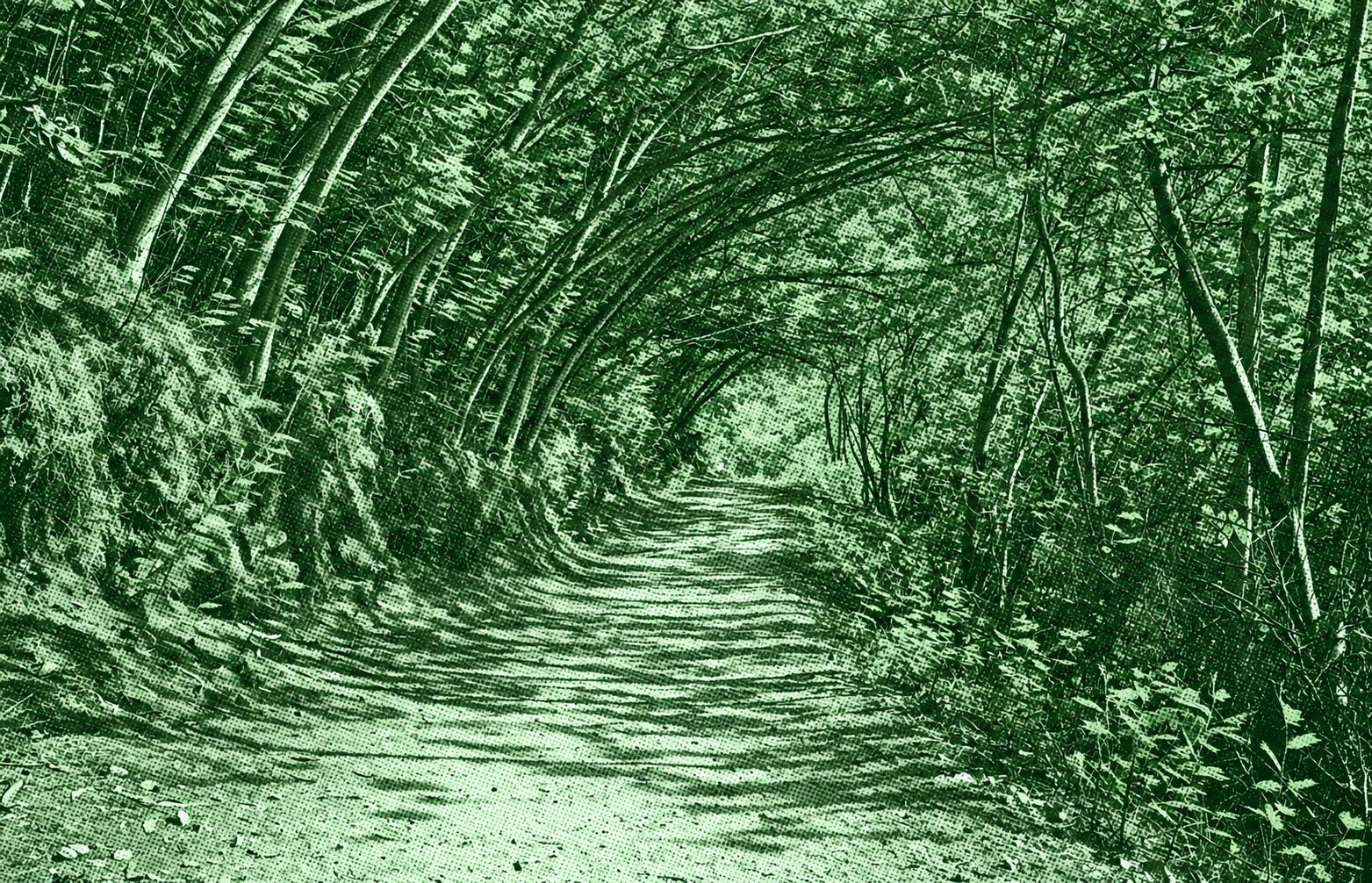
Padrón–Santiago de Compostela is the final stage of the Portuguese Way of the Camino de Santiago in Galicia. The route leaves Padrón and passes through Iria Flavia, A Escravitude, O Faramello, Osebe, and O Milladoiro before entering Santiago de Compostela. The trail follows the Sar Valley through a mixture of rural lanes, wooded sections, villages, and urban paths, with views of the Galician countryside. The official route is about 25 km long and takes approximately 5 hours, with low difficulty.
Find this route and more in the WayMe app.
Scan with your phone to download WayMe.


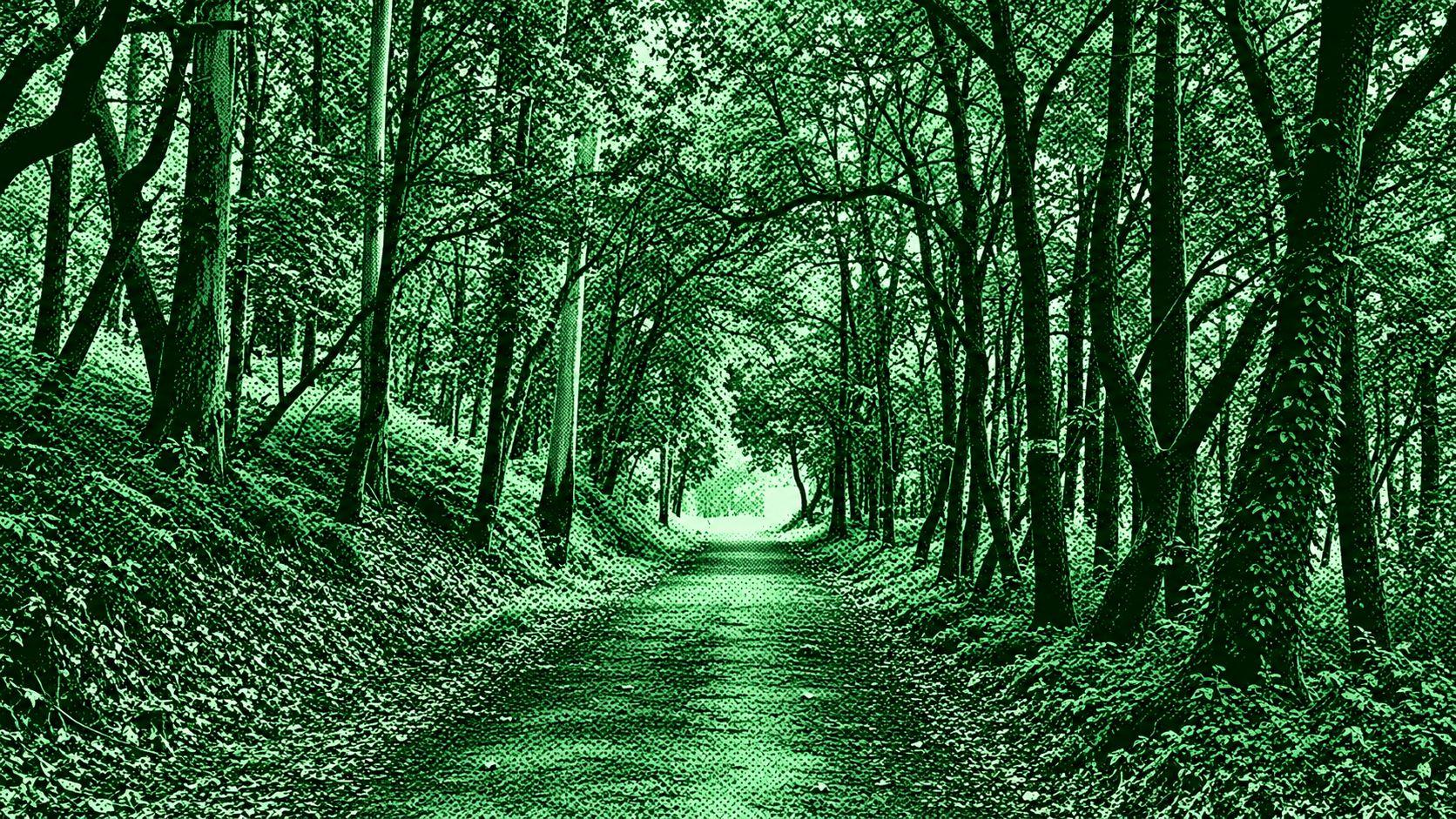
Caldas de Reis–Padrón is a scenic stage of the Camino Portugués through the green countryside of Galicia. The route passes through shady river forests, oak and chestnut woodland, vineyards, farmland, and small rural villages. After leaving Caldas de Reis, the trail follows the valleys of the Bermaña and Valga rivers before crossing the Ulla River at Pontecesures and continuing into Padrón. The route is approximately 18.6–19 km long and generally takes around 4½–5 hours.

A beautiful first stage of the Camino de Fisterra-Muxía, leaving Santiago de Compostela and heading west through the green countryside of Galicia. The route gradually leaves the city behind, passing through oak and eucalyptus woodland, rural lanes, small villages, and the Alto do Vento. One of the highlights is the medieval Ponte Maceira over the Tambre River, surrounded by lush vegetation and traditional Galician scenery. From there, the trail continues through peaceful countryside before reaching Negreira. The official route is approximately 20.9 km and takes around 4 hours 20 minutes.
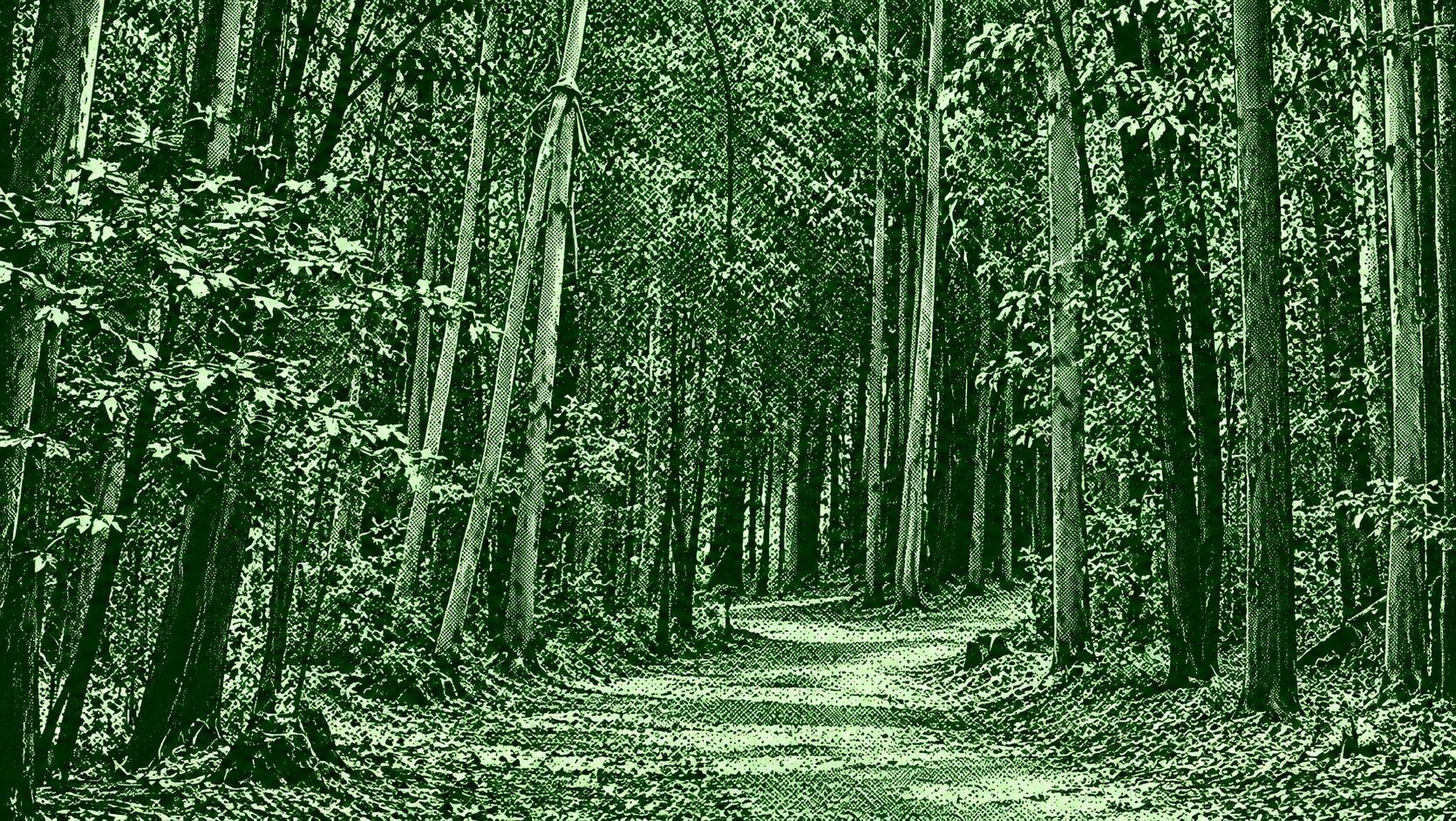
Amenal–Santiago de Compostela is the final stretch of the Camino Francés before reaching Santiago. The route leaves Amenal and passes through rural paths, eucalyptus and woodland sections, small villages, and Lavacolla before continuing toward Monte do Gozo. From Monte do Gozo, pilgrims descend gradually into Santiago de Compostela and continue through the city toward the historic center and Cathedral. The route is approximately 16–17 km, with moderate elevation changes, and provides a transition from Galicia’s countryside into the urban landscape of Santiago.

 Open in Google Maps