Triacastela, Lugo / Sarria, Lugo
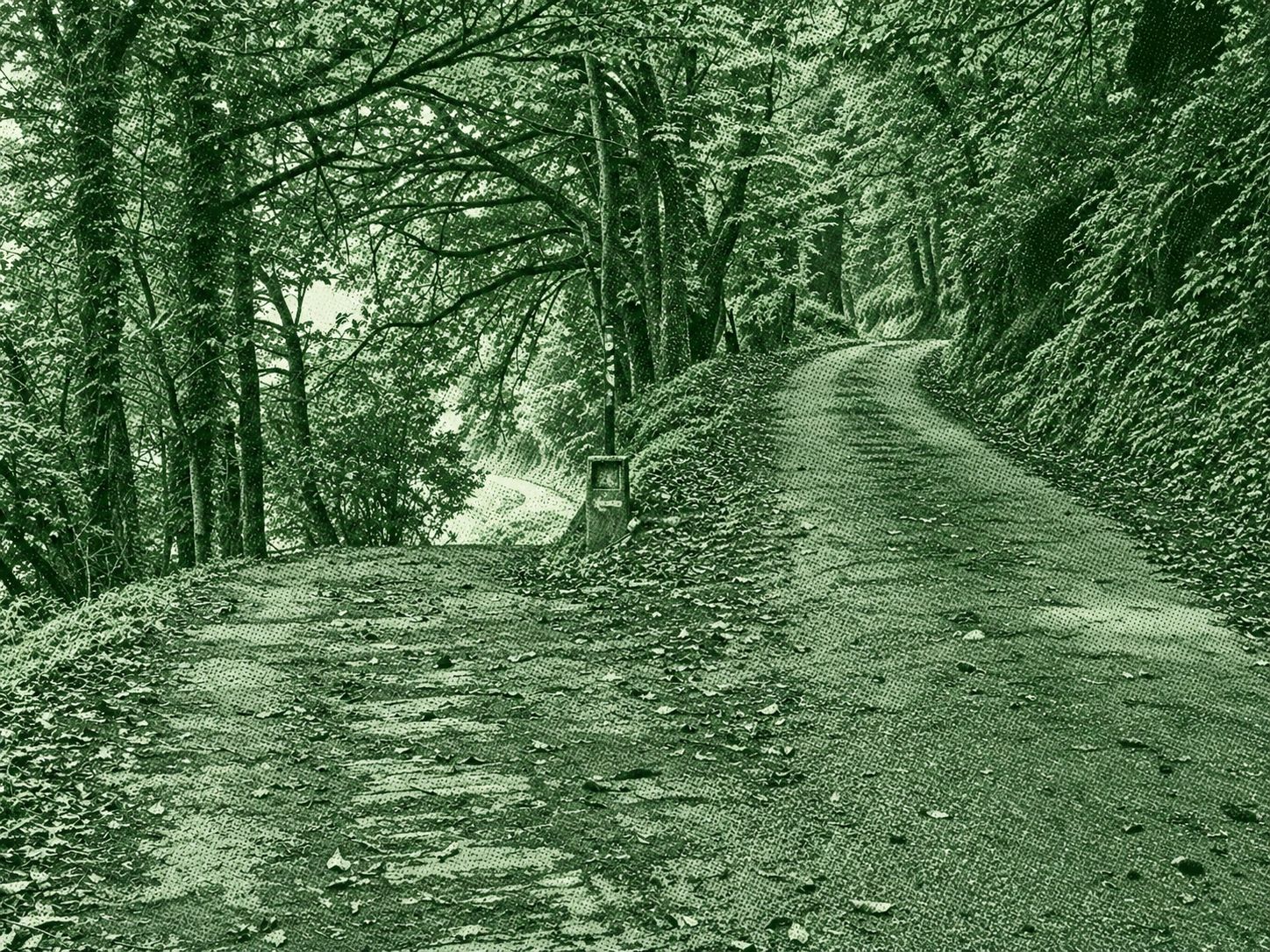
This Camino Francés stage connects Triacastela with Sarria through the lush countryside of inland Galicia. The main San Xil route follows quiet forest paths, shaded lanes, traditional villages, and the green San Xil valley, passing through places such as A Balsa, San Xil, Montán, Fontearcuda, Furela, Pintín, Calvor, and Aguiada before reaching Sarria. The official route is about 17.9 km and takes approximately 3½ hours. A longer alternative through Samos follows the Sarria River and visits the historic Monastery of Samos, extending the stage to about 25.1 km.
Find this route and more in the WayMe app.
Scan with your phone to download WayMe.



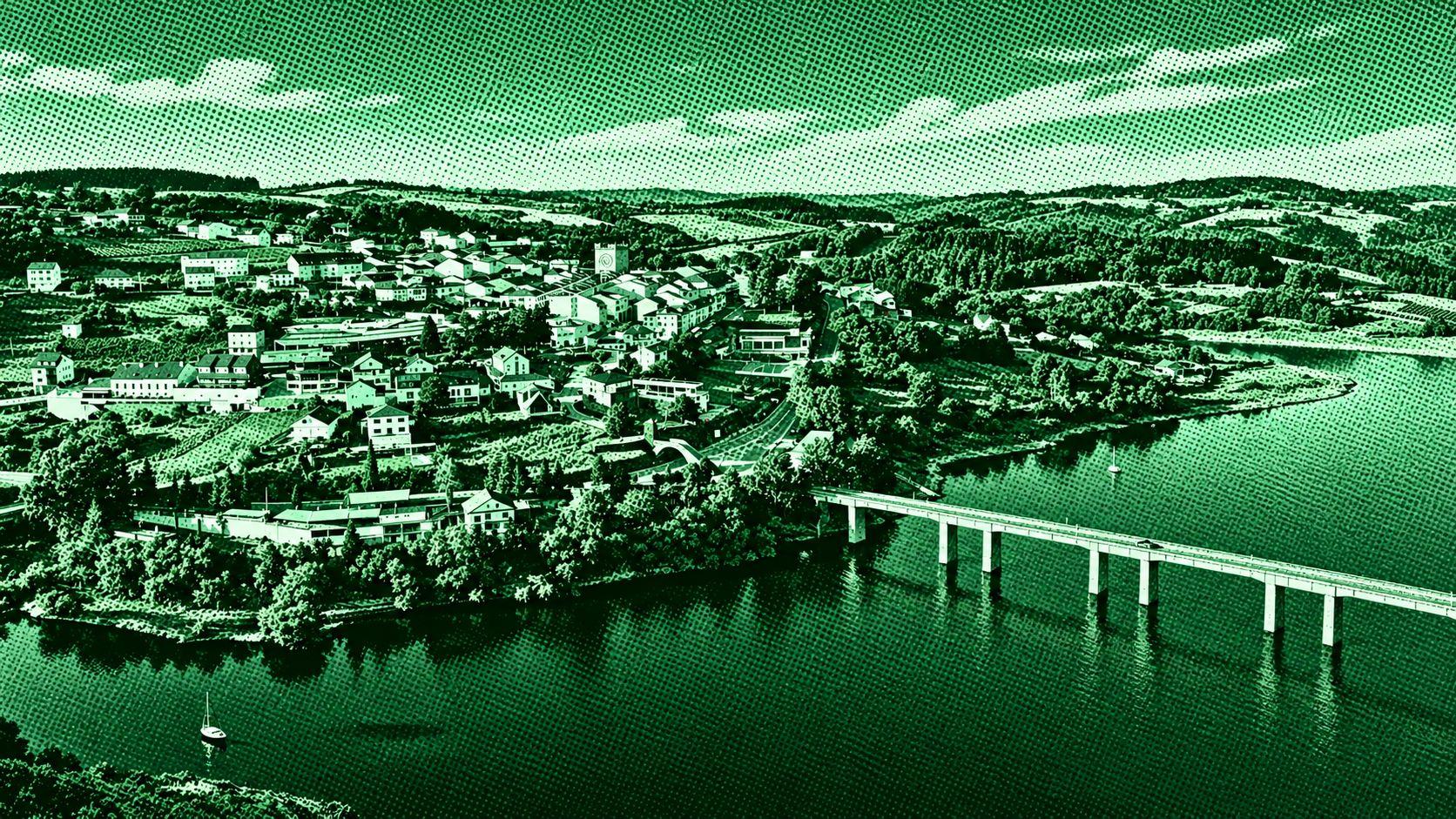
Sarria–Portomarín is a scenic stage of the Camino Francés through the rural landscapes of Galicia. The route passes through oak and chestnut forests, green meadows, small villages, historic churches, and traditional stone paths. After leaving Sarria via the Ponte da Áspera, the trail continues through Barbadelo and Paradela before descending toward the Miño River and entering Portomarín. The route is approximately 22–25 km long and takes around 5 hours, depending on the exact route and starting point.
Portomarín–Palas de Rei is a 24.8–25 km stage of the Camino Francés through the rural landscapes of Galicia. The route climbs gradually from Portomarín toward the Sierra de Ligonde, passing through eucalyptus and pine forests, green fields, stone-walled paths, and small villages including Gonzar, Castromaior, Ventas de Narón, and Ligonde. Highlights include the Castromaior archaeological site, the Os Lameiros wayside cross, and the Romanesque church of Vilar de Donas.
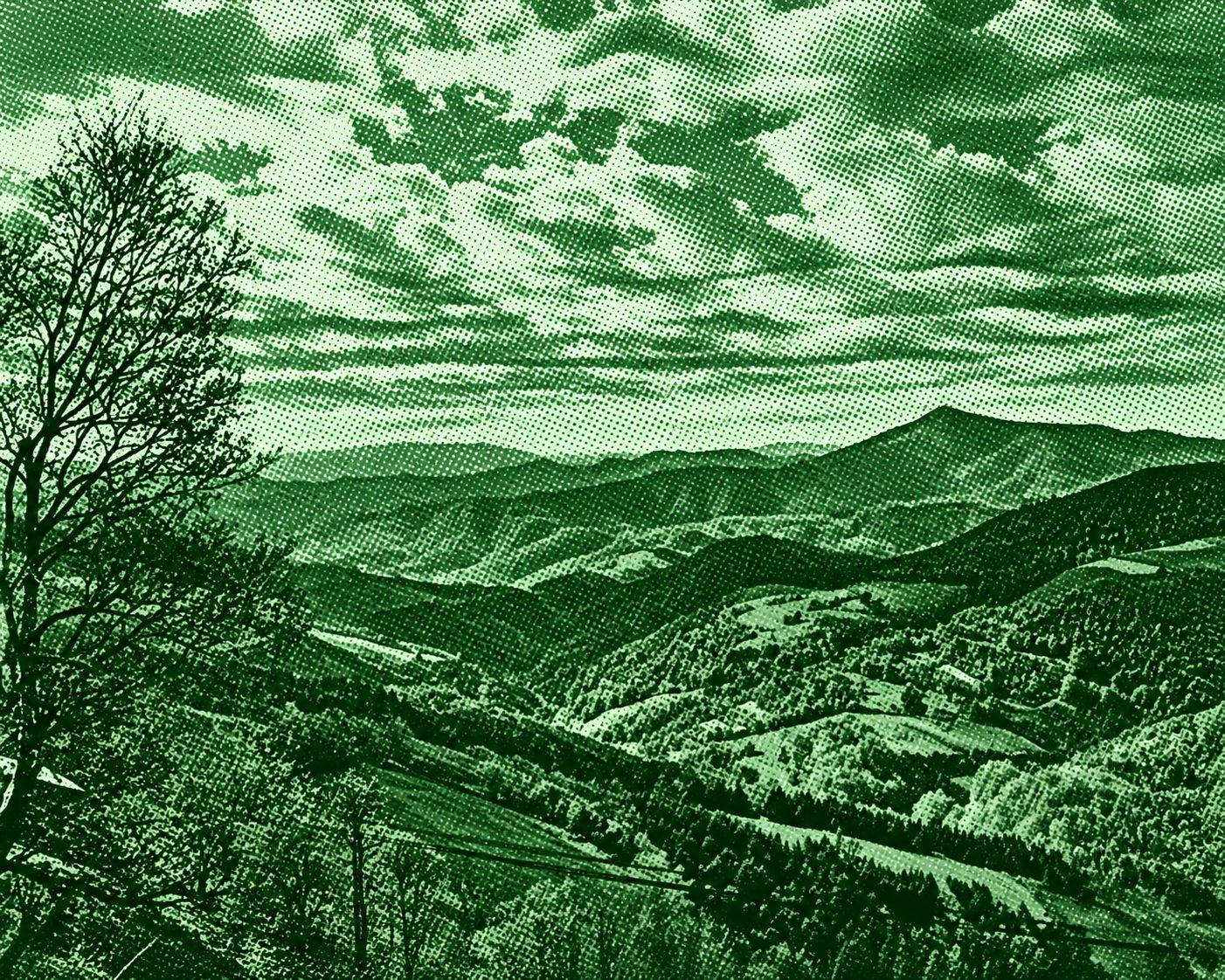
A demanding and spectacular stage of the Camino Francés that crosses from Castilla y León into Galicia. The route initially follows the Valcarce River through villages such as Pereje, Trabadelo, Vega de Valcarce, and Las Herrerías. The character of the trail changes dramatically after Las Herrerías, where a steep mountain ascent leads through chestnut forests toward La Faba and Laguna de Castilla. The final climb reaches O Cebreiro, a historic mountain village known for its traditional stone-and-thatch pallozas and sweeping views across the Galician mountains. The stage is approximately 28 km with around 800–1,100 m of ascent

 Open in Google Maps