
Routes in Japan
860 routes
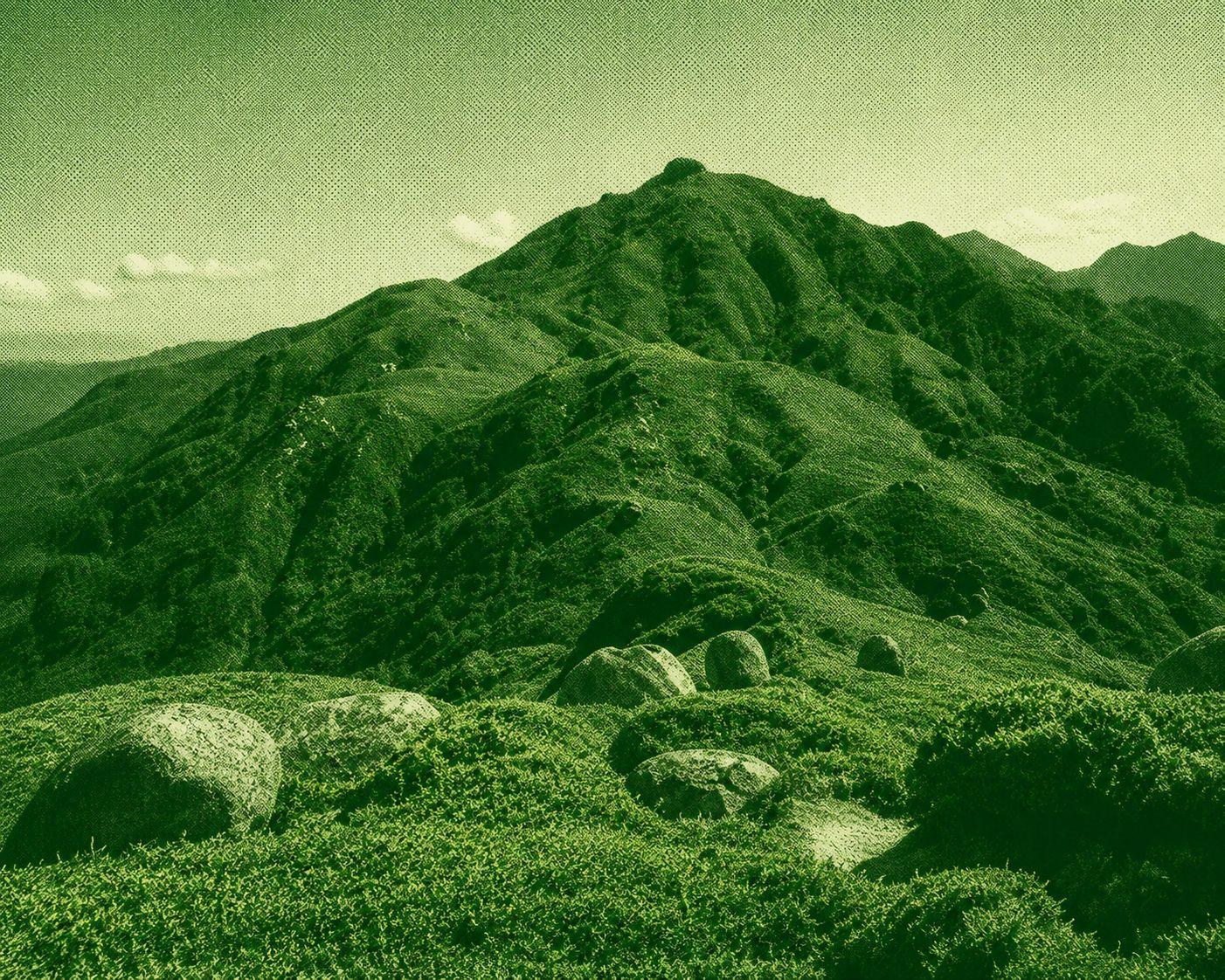
Mt. Miyanoura
The hike to Mt. Miyanoura is approximately 10–12 km one way (around 20–24 km round trip) and typically takes 8–10 hours to complete as a day hike. The well-maintained trail passes through ancient forests, rocky paths, and open mountain ridges before reaching Yakushima's highest summit at 1,936 meters. Although the hike is moderately to highly challenging due to its length and elevation gain, it rewards hikers with spectacular views and a unique wilderness experience.
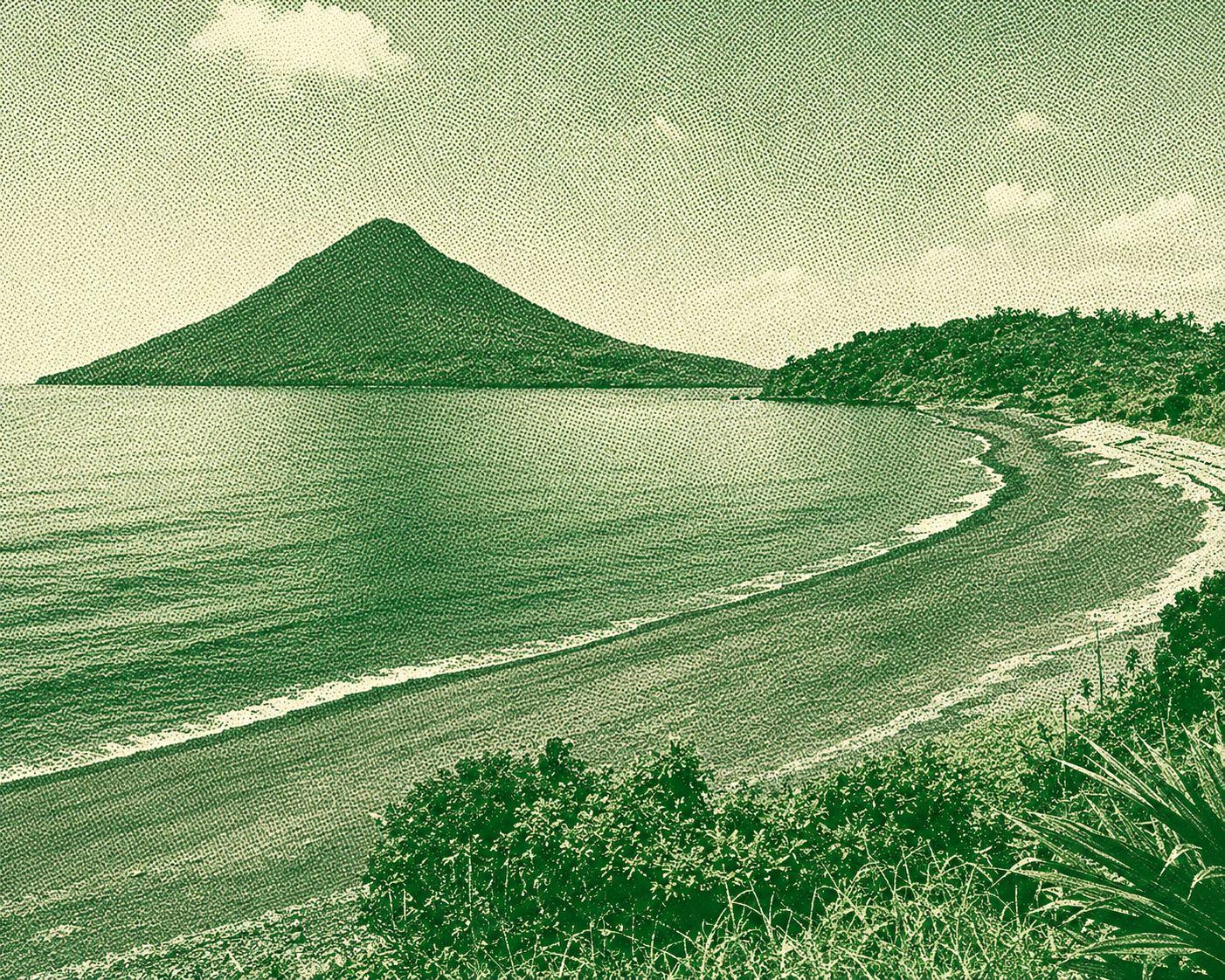
Mt. Kaimon
Mt. Kaimon, also known as the "Satsuma Fuji," is a 924-meter volcanic mountain in Kagoshima Prefecture, famous for its nearly perfect cone-shaped silhouette. The well-maintained hiking trail is approximately 5 km round trip and takes about 4–6 hours to complete, passing through subtropical forests before reaching the summit. Although the climb is steep and moderately challenging, hikers are rewarded with breathtaking panoramic views of the East China Sea, Kagoshima Bay, and the surrounding coastline.
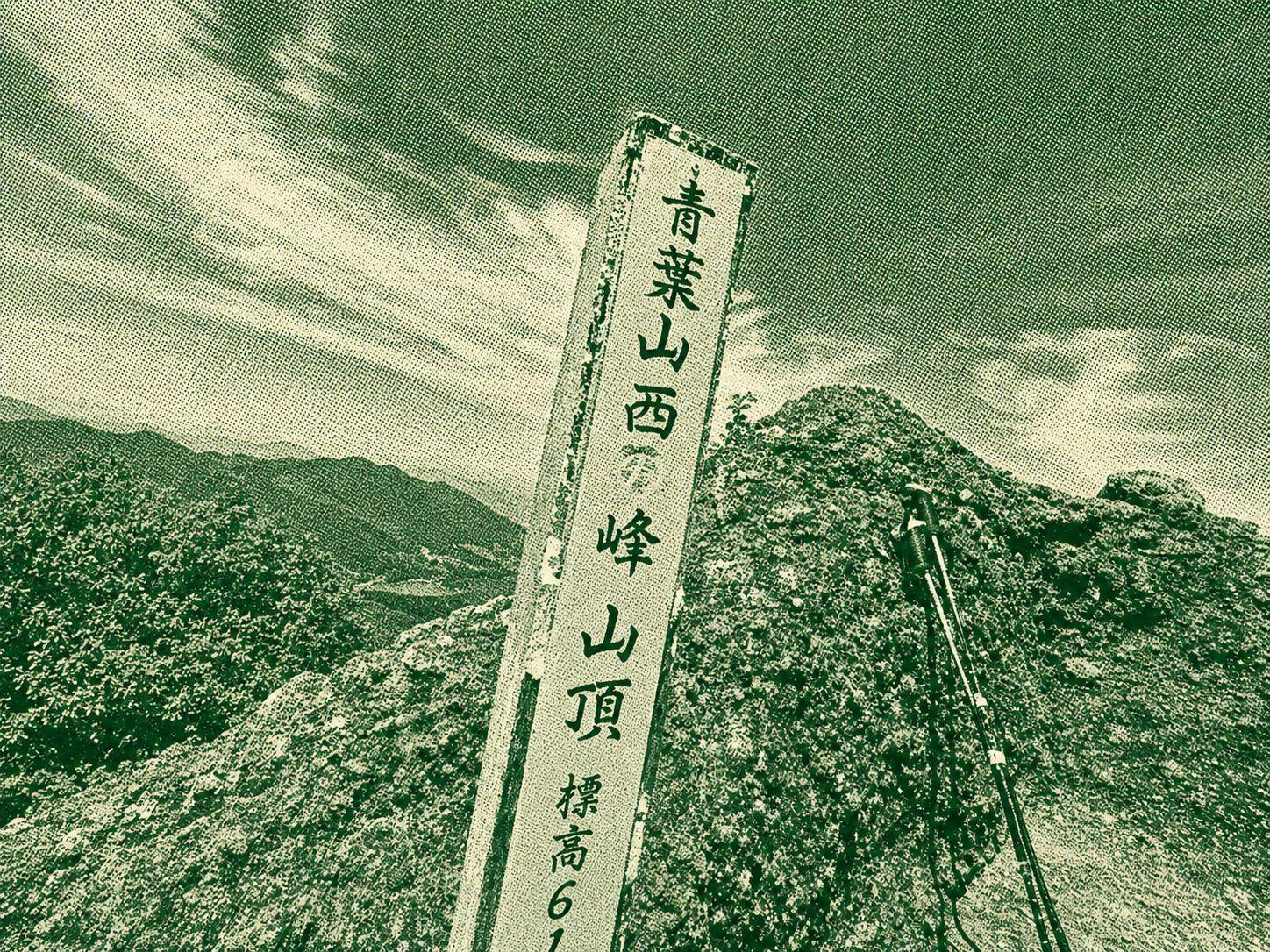
Mt. Aoba
To hike Mount Aoba, you can start from either the Matsuno-Odera temple or the Aonogo trailhead, both of which offer clearly marked paths that reach the first peak in about one hour. While the temple route requires navigating through temple grounds, the Aonogo trailhead features a convenient parking area and provides the best overall views. If you choose to complete the full loop connecting both trailheads, please note that it will include approximately 50 minutes of walking along the road.
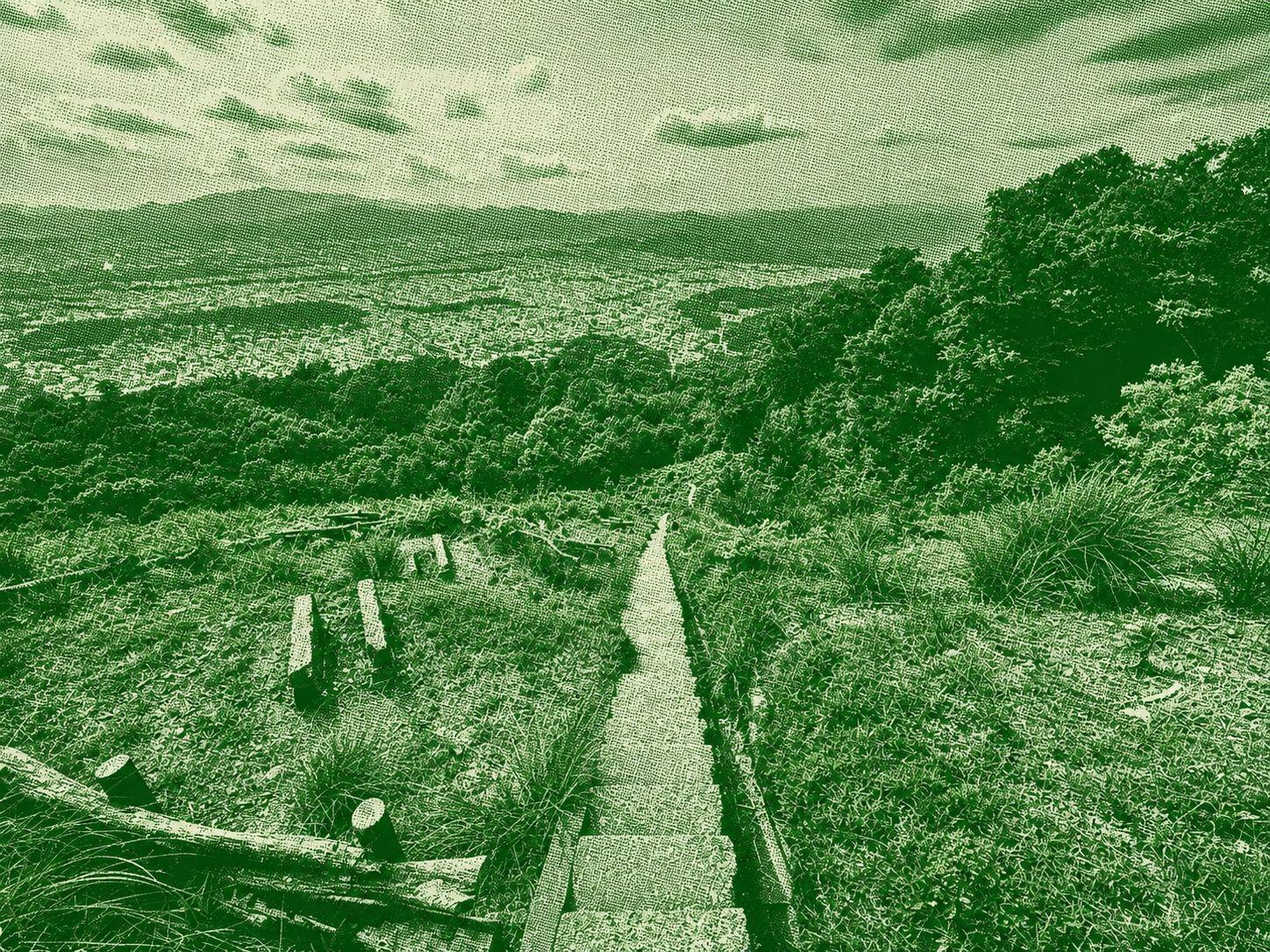
Daimonji
This beginner-friendly trail begins near the iconic Ginkaku-ji temple and the tranquil Philosopher's Path, offering an accessible escape into nature. The mountain is renowned for the massive "Dai" character illuminated on its mountainside during the annual Obon festival, providing a spectacular backdrop for sunset watchers. Although the main viewpoint is reachable in 40 minutes, a short additional climb to the summit unlocks breathtaking panoramic views reaching as far as Osaka.
Jingo-ji
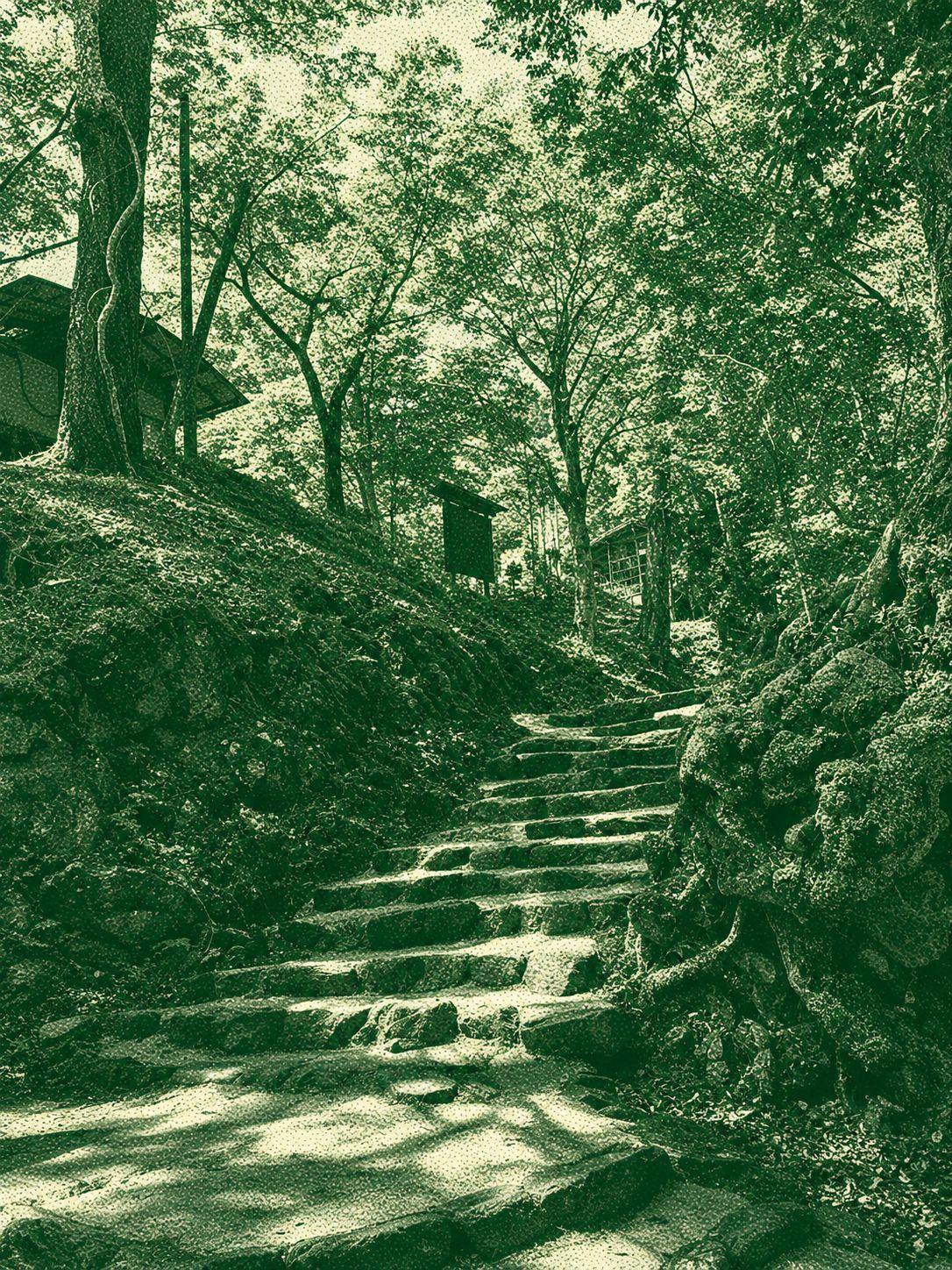
The Jingo-ji to Hozukyo trail is a serene, beginner-friendly route that winds through the mountains and along a river near the Arashiyama area. Starting in the historic village of Takao, the hike allows visitors to explore the 1,200-year-old Jingo-ji temple, which is celebrated for its stunning autumn foliage and scenic mountain setting. A unique highlight of the temple visit is the tradition of throwing clay Kawarake discs off the mountainside to ward off bad karma, adding a spiritual element to your journey through this beautiful region.
Mt. Hiei & Enryaku-ji Temple
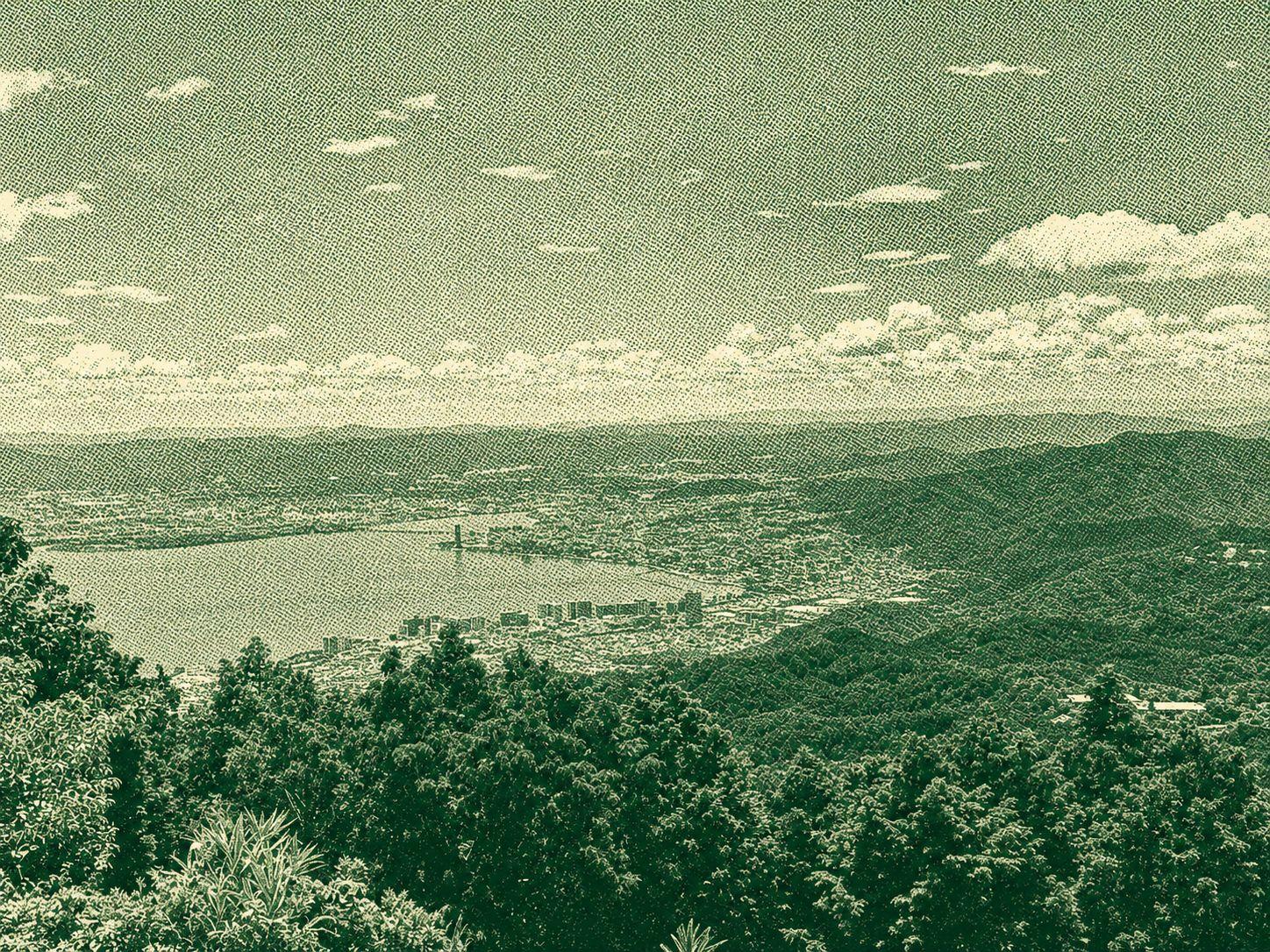
Mount Hiei stands as a prominent landmark overlooking Kyoto and Lake Biwa, straddling the border between Kyoto and Shiga Prefectures. At its summit lies the historic Enryaku-ji, one of Japan's most significant Buddhist monasteries, known for its profound cultural importance and turbulent past. The site’s history includes a particularly dark chapter in 1571, when the warlord Oda Nobunaga decimated the complex, resulting in a tragic loss of life that shaped the mountain's enduring legacy.
Kurama to Kibune
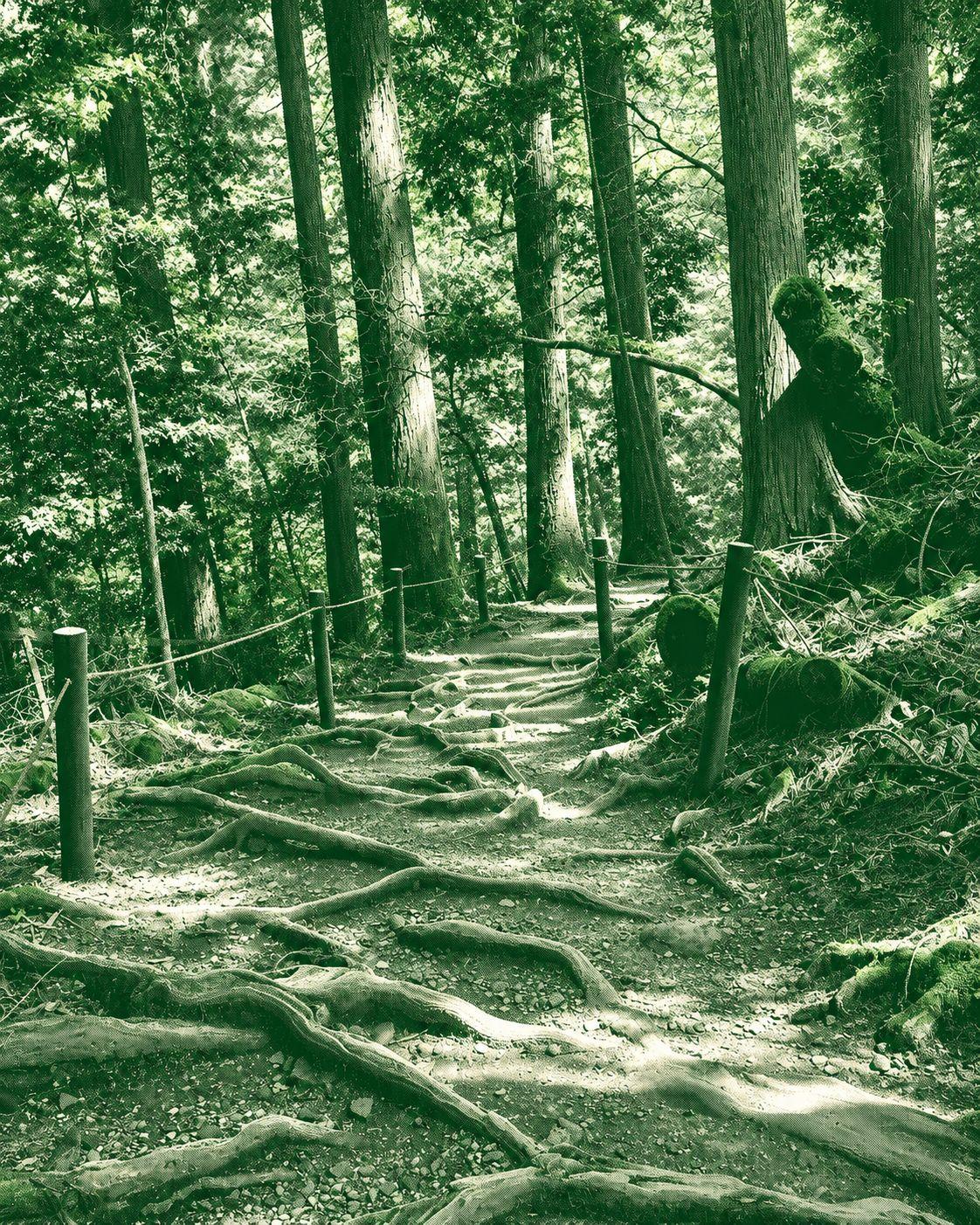
The mountain towns of Kurama and Kibune, located just north of Kyoto, are linked by a scenic hiking trail that is particularly stunning when blanketed in winter snow. While Kurama is beloved by locals for its relaxing onsen, historic mountain temples, and vibrant fire festival, the neighboring village of Kibune offers charming streets and unique river-terrace dining during the summer months. The connecting route is an accessible and atmospheric hike, marked by numerous traditional lanterns leading the way to the majestic Kurama-dera temple at the summit.
Mt. Omine
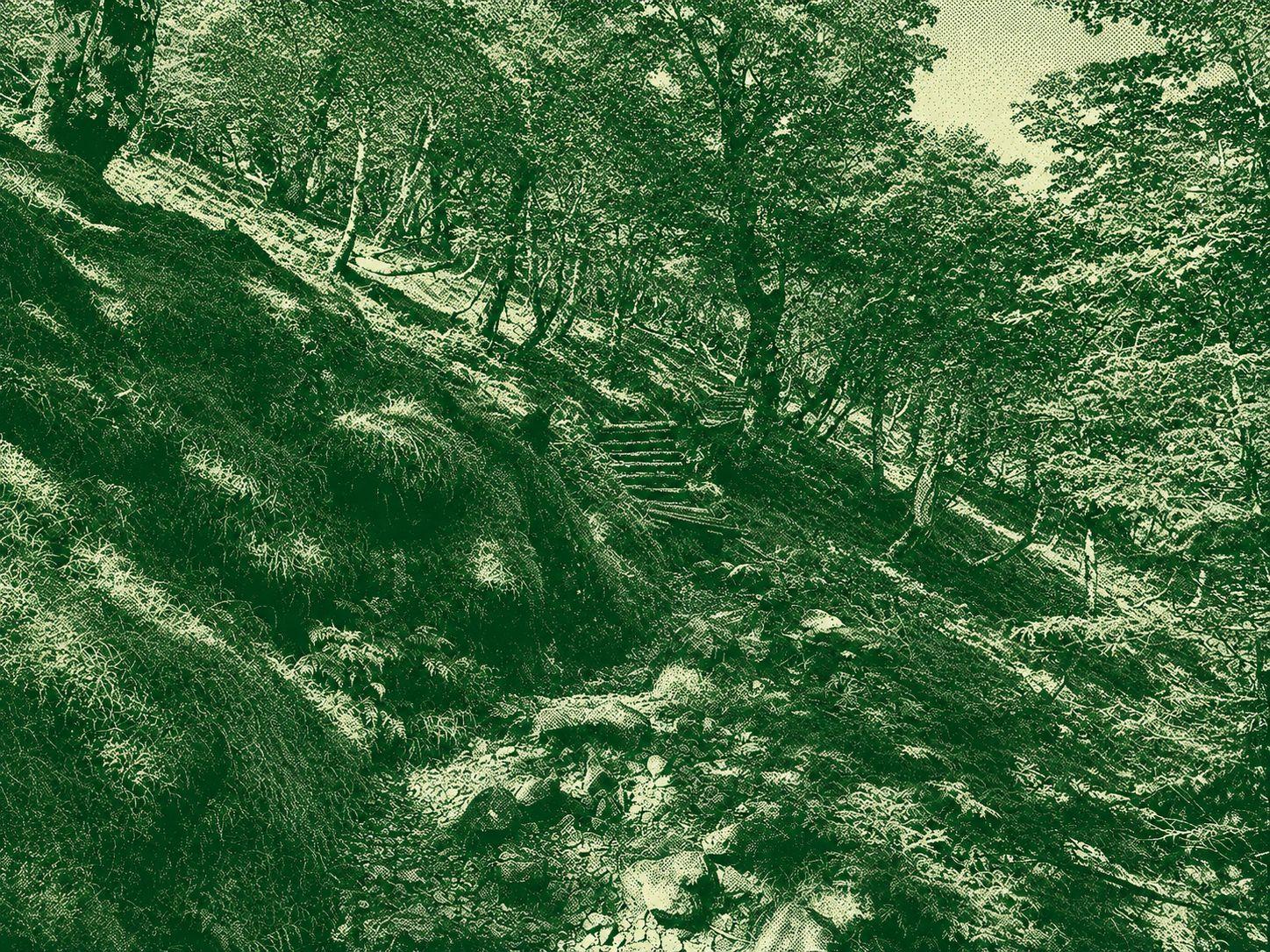
Mount Omine, specifically its peak known as Sanjogatake, is a sacred mountain in Nara Prefecture that can be reached via routes from Dorogawa Onsen or Yoshinoyama. While the mountain holds UNESCO World Heritage status, it remains a site of controversy due to a traditional, 1,300-year-old ban that prohibits women from entering the area. Despite this, the region offers a variety of stunning trails and impressive mountain views that can be explored by those seeking an accessible day hike in the surrounding landscape.
Mt. Hakkyo
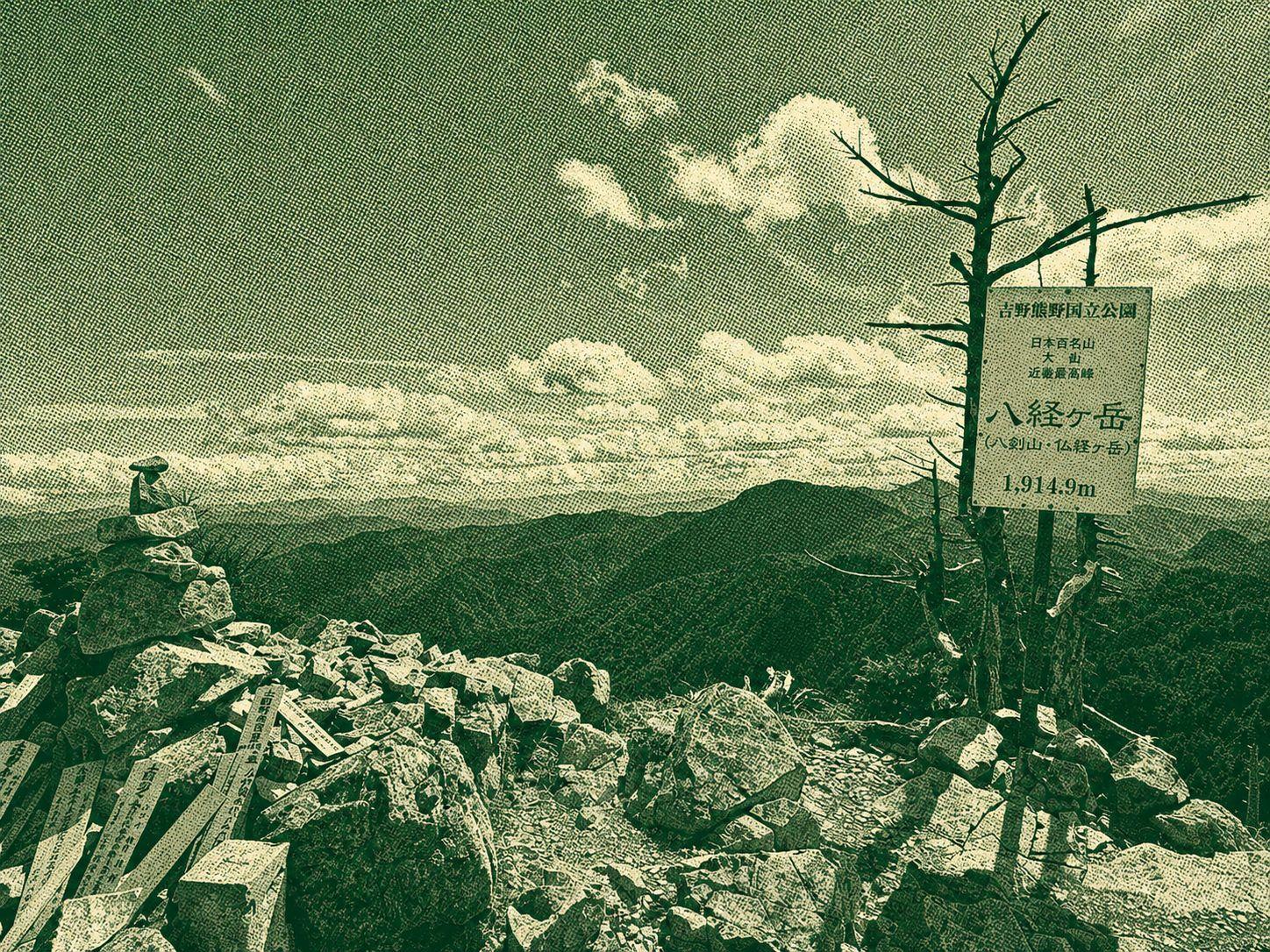
Mount Hakkyo, the highest peak in the Kansai region, is a prominent part of the Omine mountain range accessible via Dorogawa Onsen or Tenkawa. This area offers diverse trail options, including an exceptional three-day trek that begins in Tenkawa and concludes in Dorogawa Onsen, though public transport logistics often necessitate at least one overnight stay. While the route typically includes camping on the sacred peak of Sanjogatake, which maintains a traditional ban on women, there are alternative paths available to ensure an inclusive hiking experience for all visitors.
Yoshinoyama
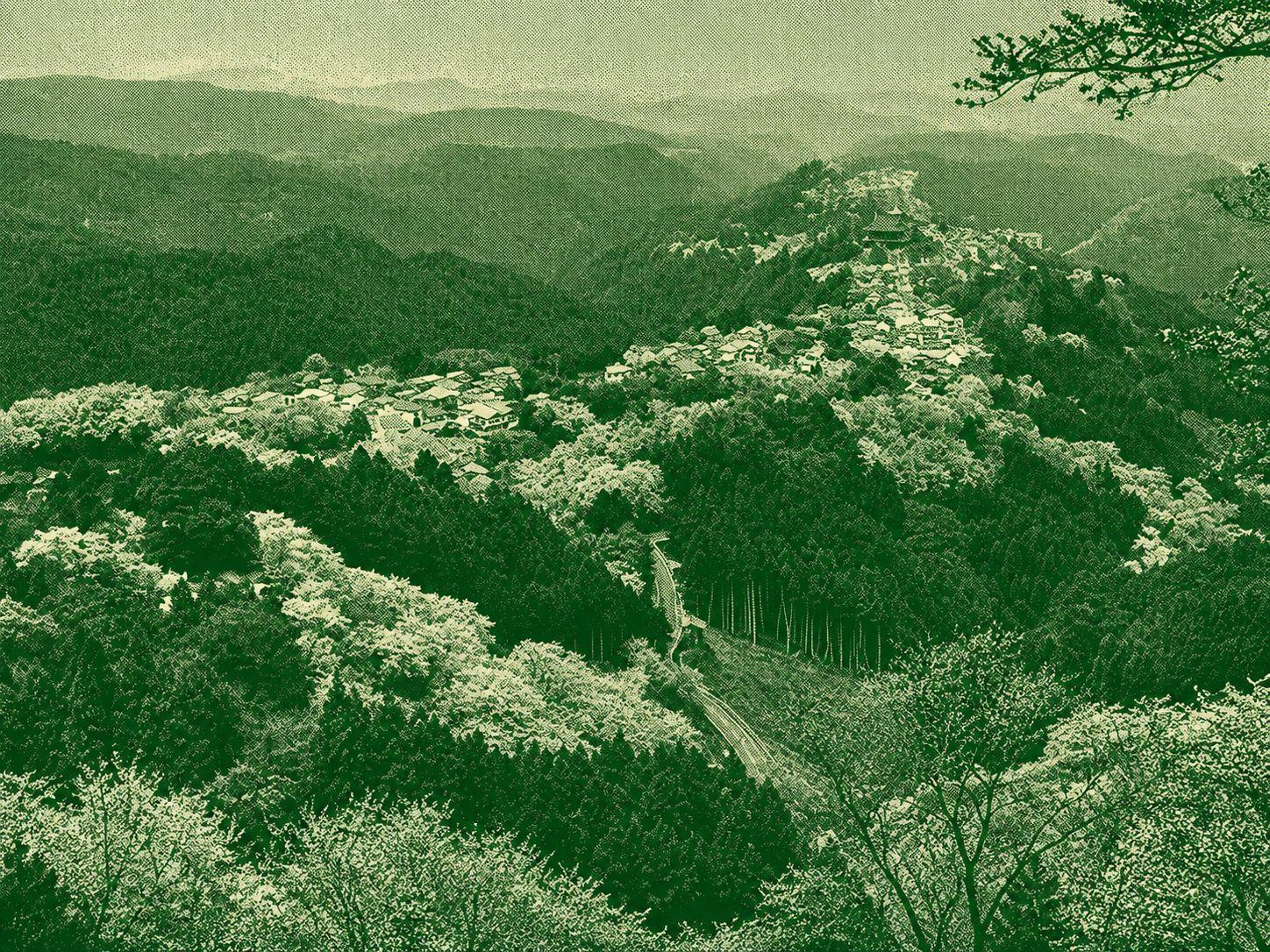
Yoshinoyama is a renowned mountain town in southern Nara Prefecture, located just a two-hour train ride from Kyoto and celebrated as one of Japan's premier cherry blossom destinations. The area features thousands of cherry trees integrated into a network of scenic hiking trails and historic temples, creating a breathtaking landscape during the spring season. Because the location is primarily frequented by local Japanese residents and expats, visitors can enjoy a more authentic experience away from the heavy crowds of major tourist hubs.
Odaigahara
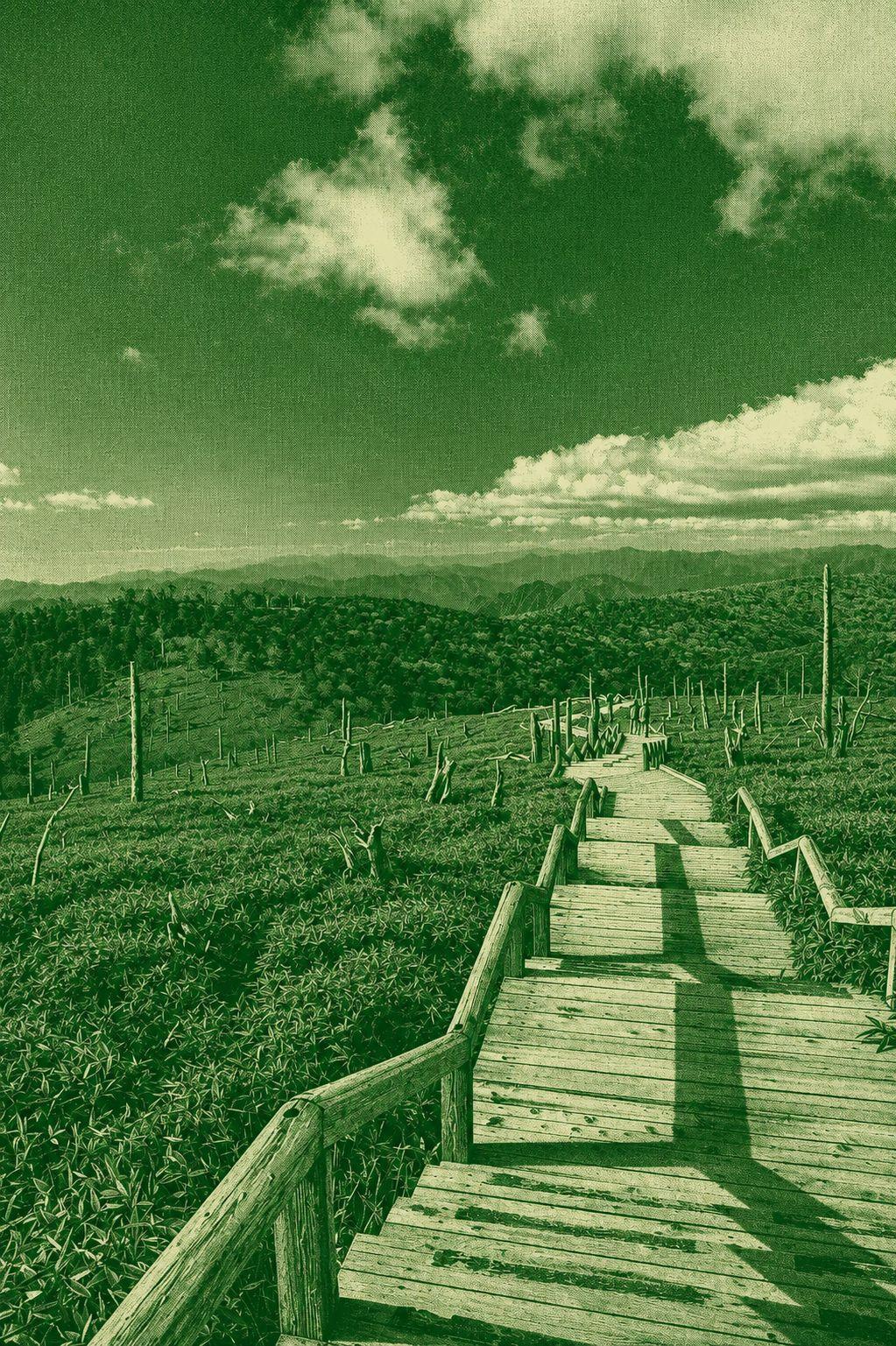
Odaigahara is a mountain situated on the border of Nara and Mie prefectures that offers an accessible high-altitude experience, with its main peak reachable in just 45 minutes from the parking area. As one of Japan's 100 Famous Mountains, it is a premier destination for stargazing and beginner-friendly hiking above 1,500 meters, featuring sweeping views of the Omine Mountain Range. While most visitors enjoy the easy loop trail from the parking lot, more adventurous hikers can opt for a challenging trek into the Osugidani Valley to witness its striking emerald-blue river and rustic mountain hut.
Kumano Kodo: Nakahechi Pilgrimage
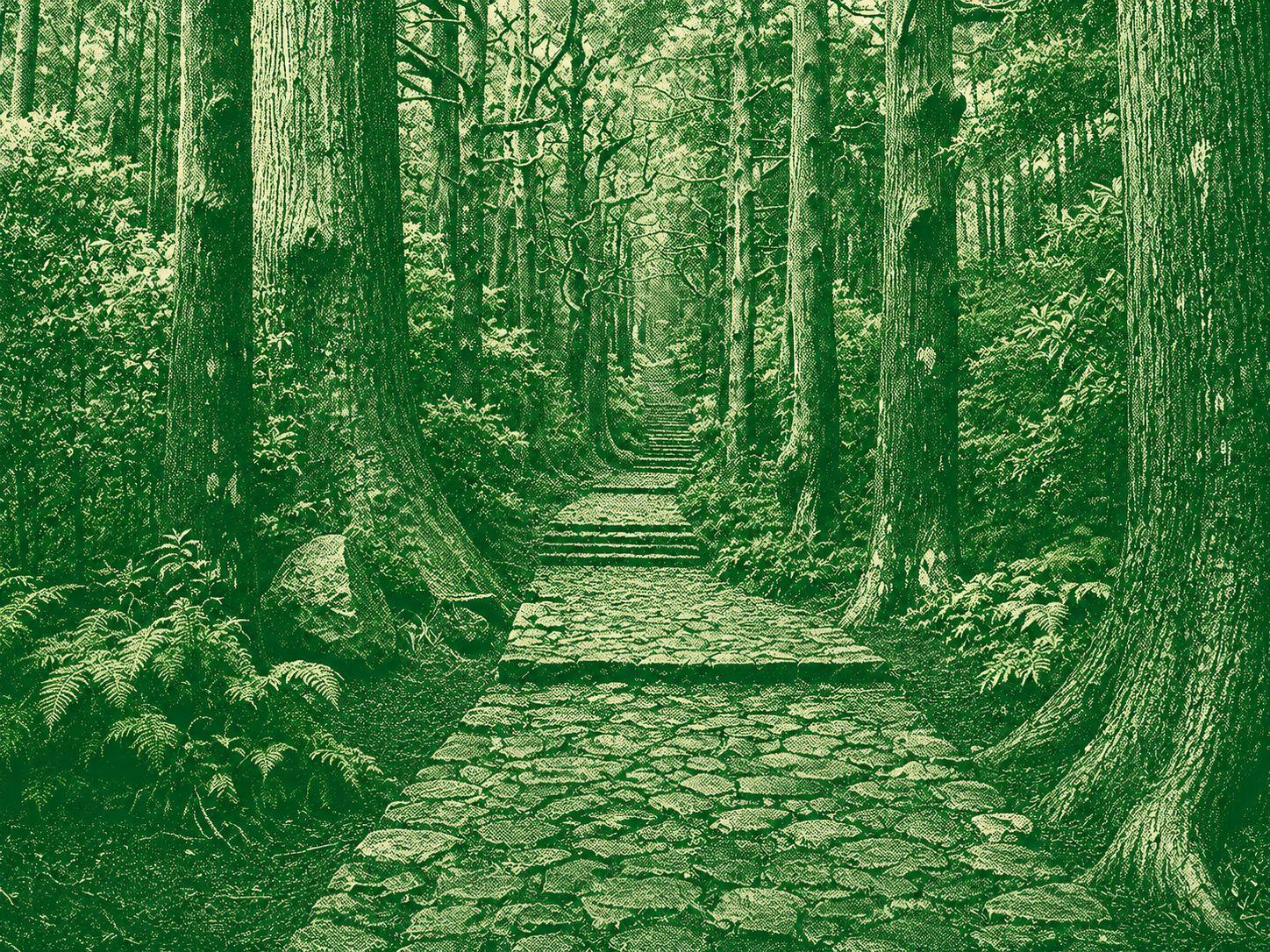
The Kumano Kodo is an ancient, 1,000-year-old pilgrimage network on the Kii Peninsula that has historically served everyone from emperors to commoners. While the full Nakahechi route takes about a week to complete, this guide focuses on the most popular four-to-five-day segment stretching from the historic Yunomine Onsen to the breathtaking Nachi Falls. By spending a night at the trail's end, visitors can experience the magical atmosphere of the grand shrines and waterfalls while avoiding the peak daytime crowds.